Your Biggest SAP Access Risk May Sit Outside SAP
An SAP GRC version change does not remove access from every connected application. Test one contractor exit to find the cross-system gaps.


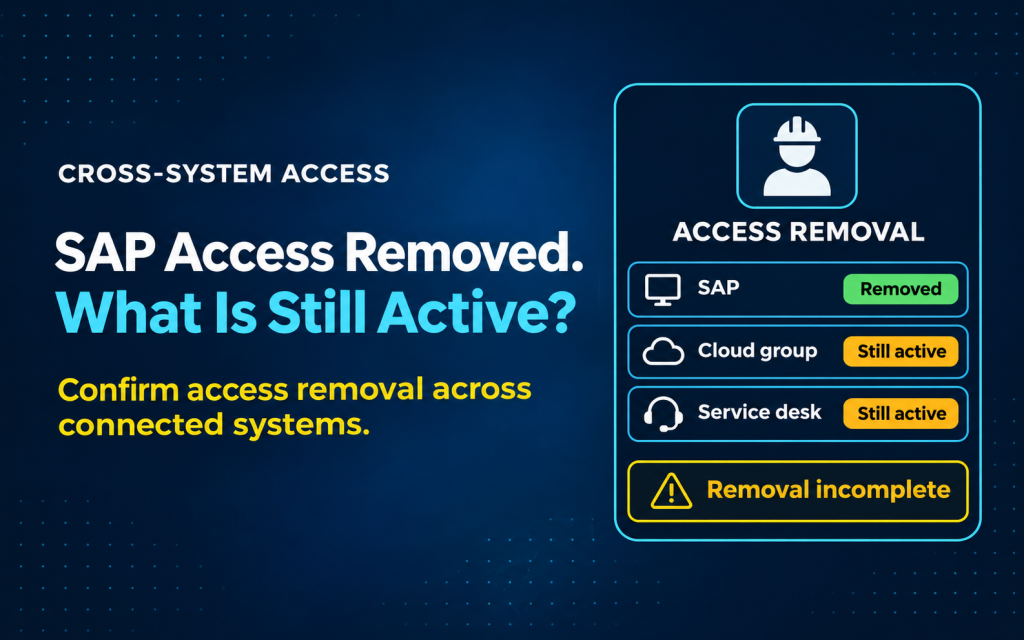
An SAP GRC version change does not remove access from every connected application. Test one contractor exit to find the cross-system gaps.
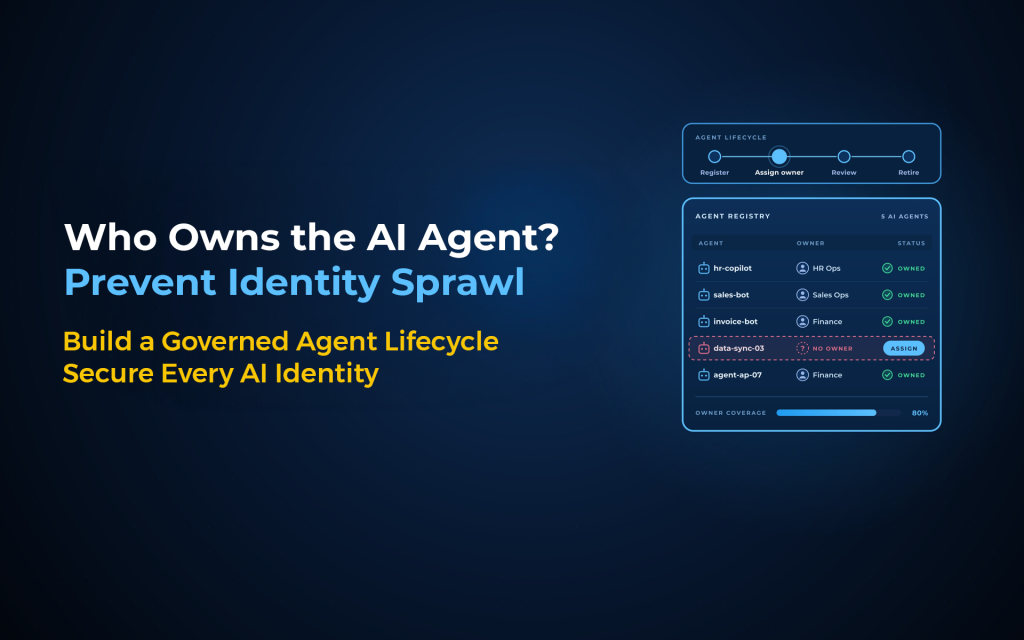
Anugal · AI Agent Identity Governance Series Who Owns the Agent? Build an AI Agent Identity Lifecycle Before Sprawl Wins Most access problems become harder when nobody owns the identity. AI agents raise the same issue at larger scale. An agent may start as a pilot, move into production, gain new integrations, change teams and […]
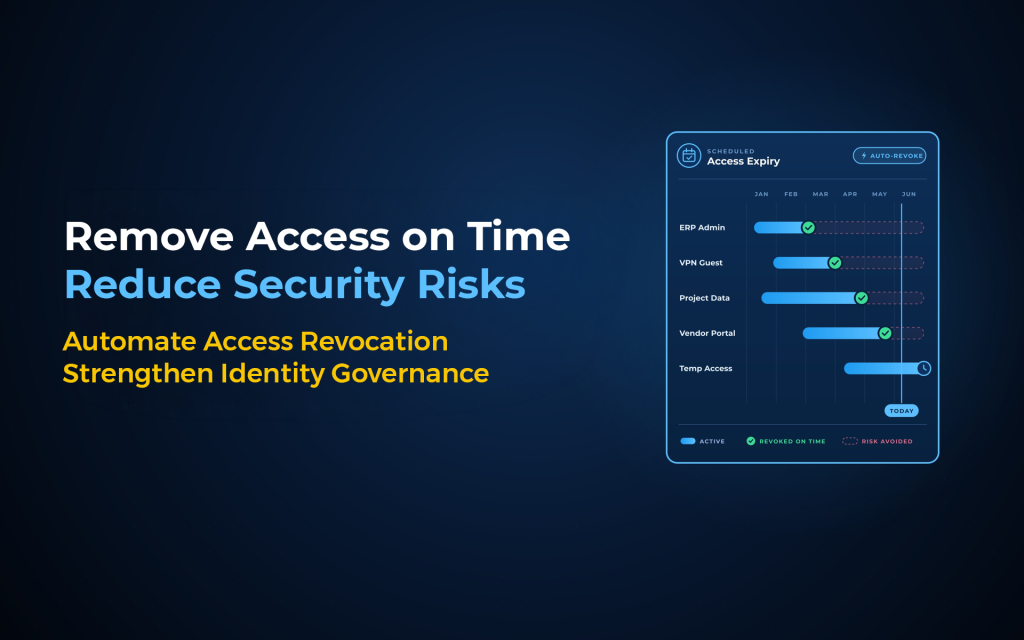
Automated Access Revocation: Why Removing Access Matters as Much as Granting It Every access grant creates a future question: what event will remove it? If you cannot answer that question, the permission has no clear end condition. Automated access revocation gives access decisions a closing action. Automated access revocation removes permissions when a defined business […]
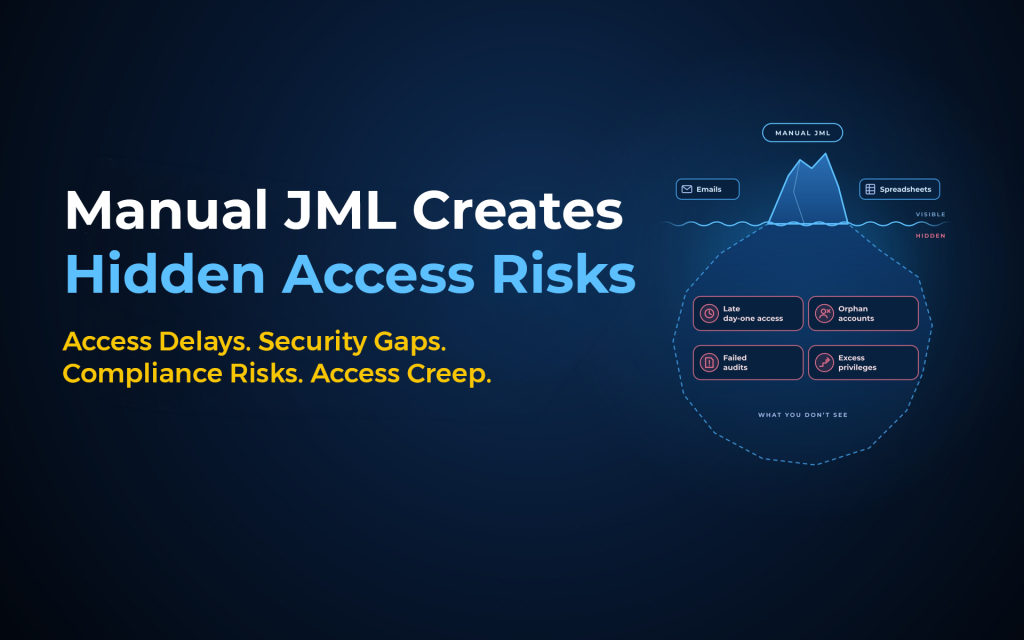
5 Problems Manual Joiner-Mover-Leaver Processes Create Five small manual gaps in the employee lifecycle can leave people waiting for access, carrying old permissions or keeping accounts after they leave. The problem rarely starts with one dramatic failure. It starts with a ticket that arrives late, a spreadsheet nobody updates, or an old entitlement that survives […]
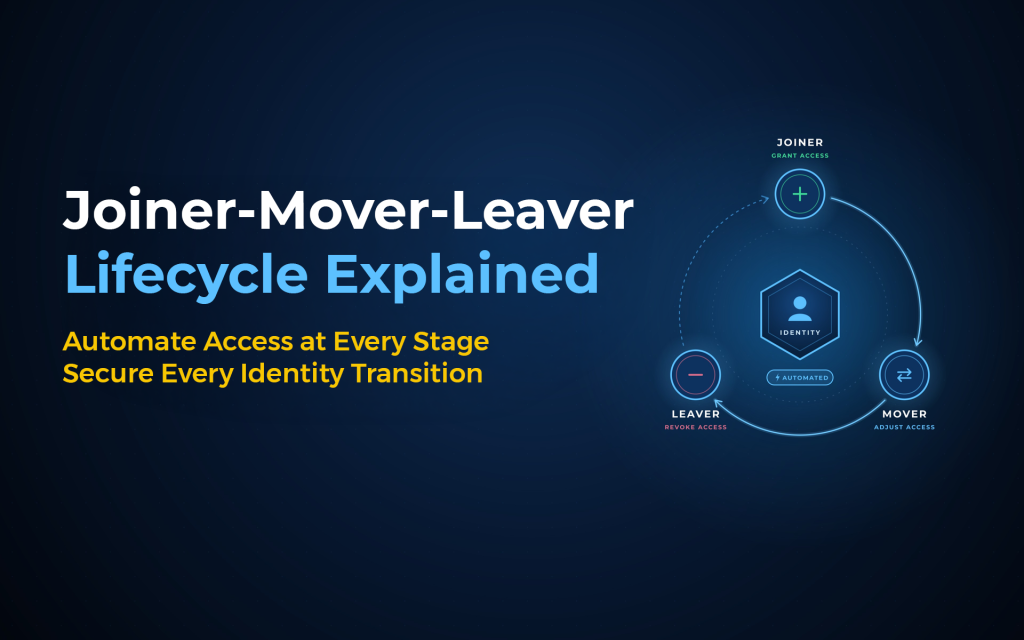
The Joiner-Mover-Leaver Lifecycle Explained in One Simple Workflow Three workforce events decide most employee access changes: joining, moving and leaving. When those events reach identity systems late, access starts to drift from the person’s real job. A simple Joiner-Mover-Leaver workflow keeps the lifecycle clear: HR Event → Identity Decision → Access Change → Audit Record. […]
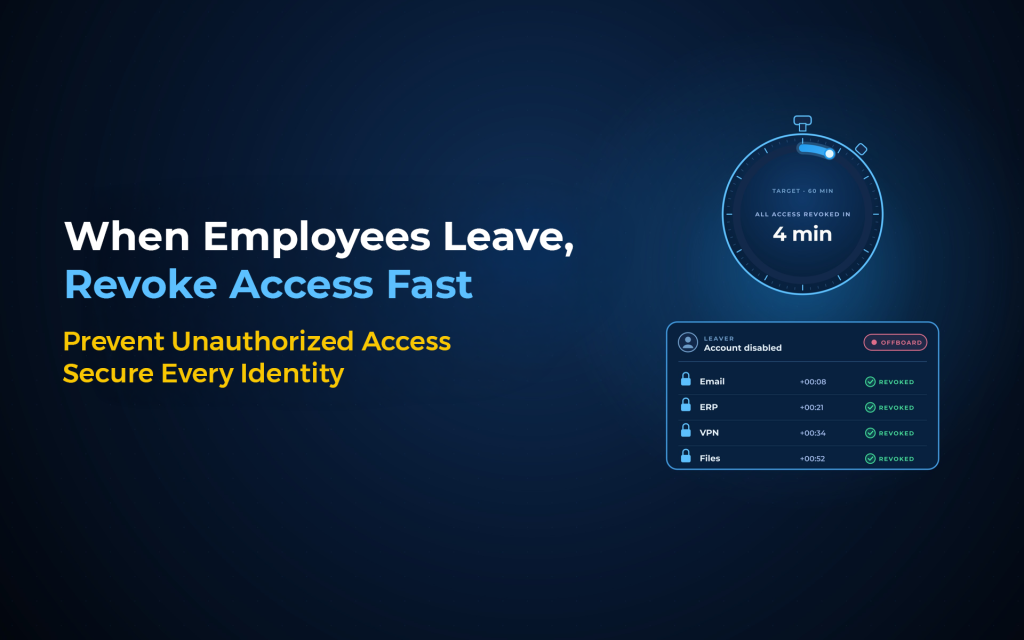
What Should Happen to Access When an Employee Leaves? At 5:00 on Friday, an employee can hand back a badge and leave the building. Digital access does not disappear unless a system removes it. That is why the termination event must trigger more than an HR status change. When an employee leaves, the identity process […]
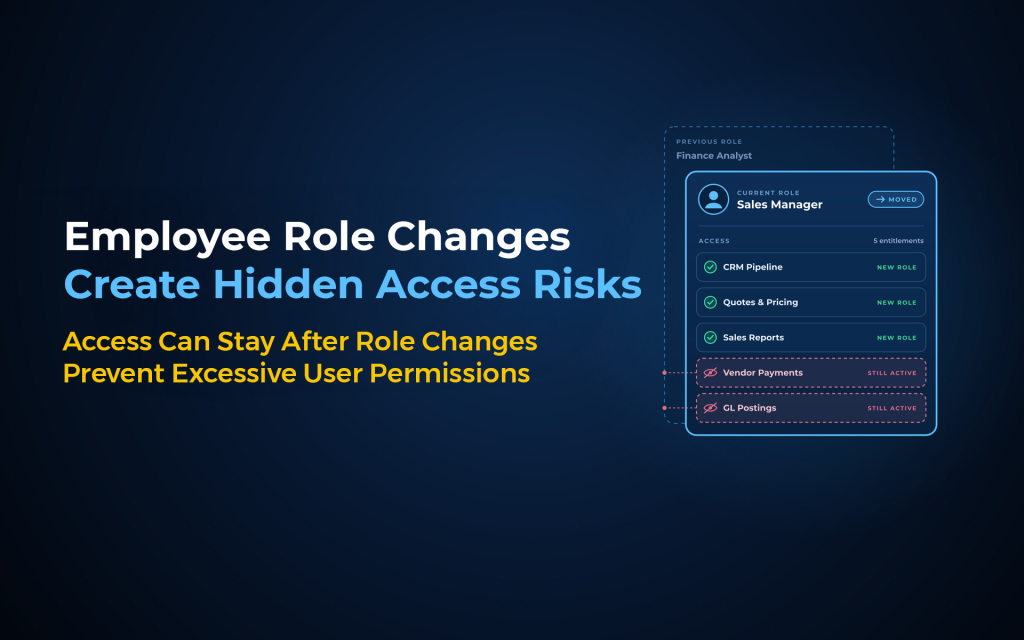
Why Employee Role Changes Create Hidden Access Risk One promotion can create two access profiles: the job a person has now and the job the systems still remember. That difference is where hidden mover risk begins. Employee role changes create hidden access risk when new permissions are added but old permissions remain. The employee may […]
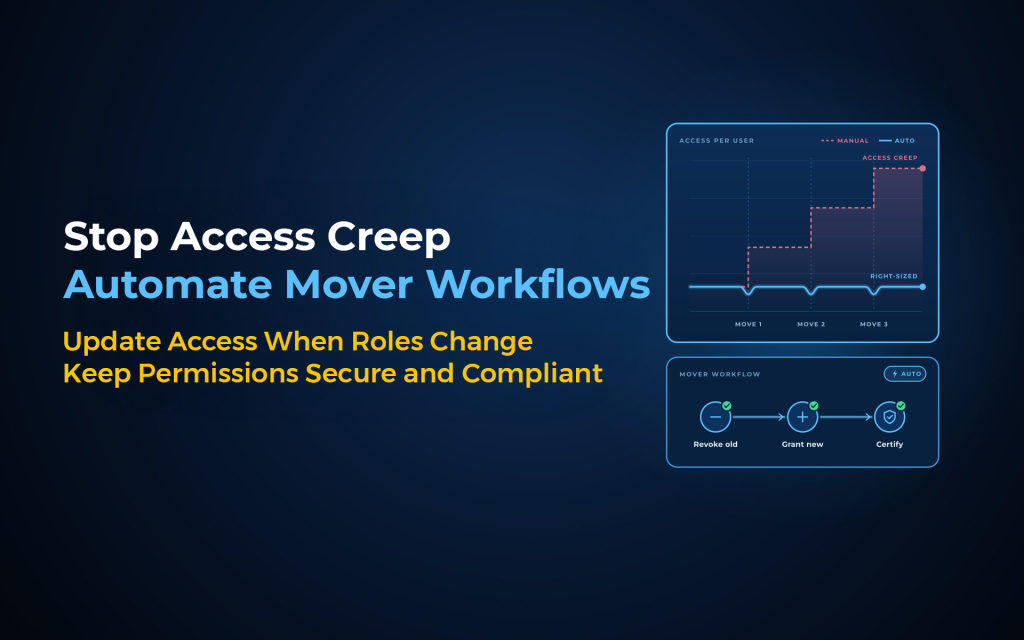
How Automated Mover Workflows Prevent Access Creep A department change takes one HR update. Access can still carry the history of every department the employee worked in before. A mover workflow fixes that by recalculating the access profile instead of only adding the next set of permissions. An automated mover workflow prevents access creep by […]
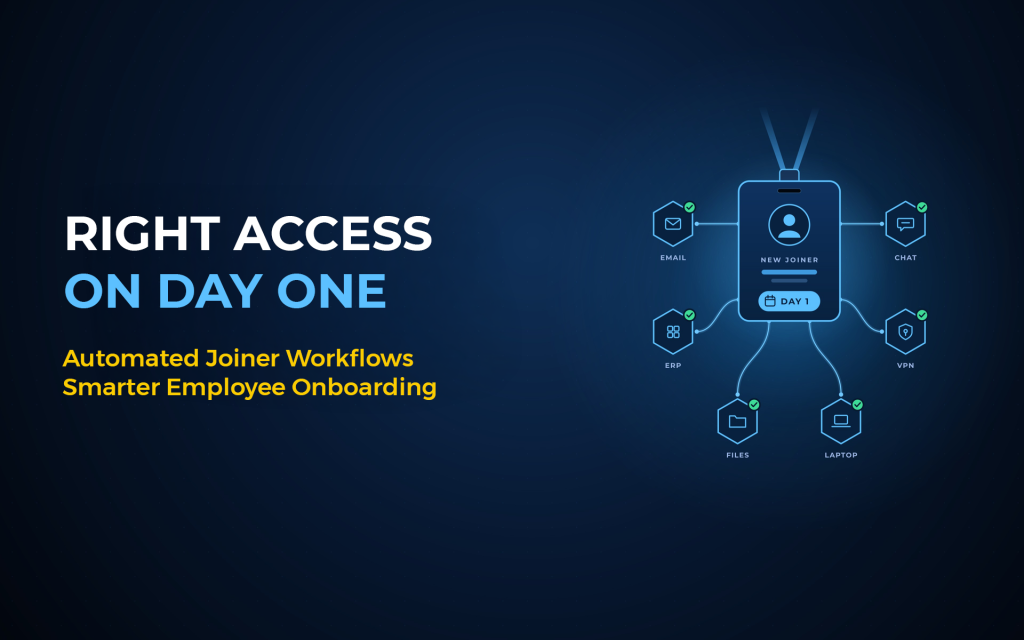
How Automated Joiner Workflows Give Employees the Right Access on Day One At 9:00 on Monday, a new employee has one job: start working. If access still depends on a chain of tickets, the first day becomes an access chase. A joiner workflow changes the starting point from ‘request access’ to ‘evaluate the HR event’. […]
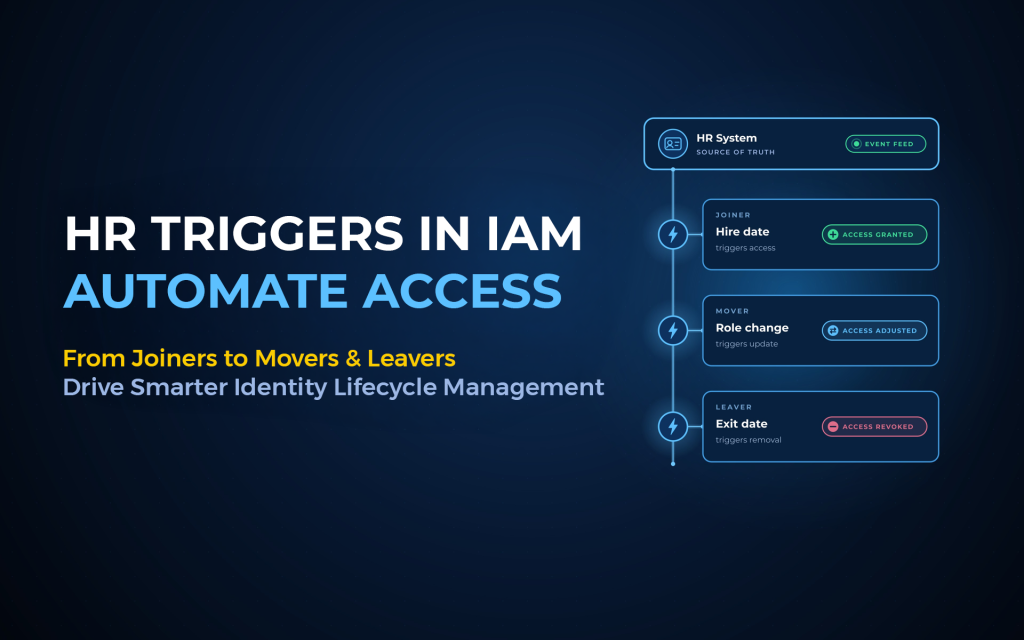
What Are HR Triggers in Identity and Access Management? One HR update can change what a person should access. If identity systems do not react, yesterday’s access can survive today’s job change. That gap is the reason HR triggers matter in identity and access management. HR triggers in identity and access management are workforce events […]