My Access / My Entitlements
Give users clarity into their access—without losing governance
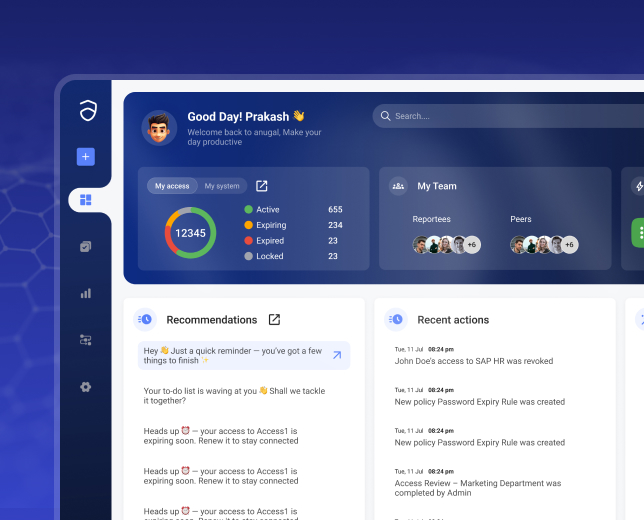
Anugal provides employees with a clear, self-service view of their access, roles, and entitlements so transparency improves.
Ensure users know what access they have
In most enterprises, users accumulate access over time but lack visibility into what they’ve been granted or why. This creates confusion during certifications, delays in cleanup, and mistrust when access is revoked without explanation. Without structured self-visibility, governance becomes reactive and dependent on support teams to answer basic access questions. Employees often discover access gaps only when critical tasks are blocked.
As roles evolve, projects conclude, and temporary assignments expire, access rarely decreases at the same pace it increases. Over time, this leads to entitlement sprawl, approval bottlenecks, and avoidable support tickets. Clear, user-level visibility transforms governance from a top-down enforcement model into a shared responsibility model, where individuals understand their access posture, validate relevance, and proactively participate in maintaining least privilege.
Where Access Transparency Breaks
Access exists but understanding does not.
Opaque access assignments
Users lack clear visibility into systems, roles, and data they can access.
Unclear Access Justification
The original purpose or approval context is not visible to users.
High Dependency on IT
Basic access clarification requests become support tickets and emails.
Poor Certification Participation
Users cannot confidently validate access they do not understand.
Limited Self-Service Insight
No centralized view of active, historical, or temporary access.
Low Trust in Access Decisions
Lack of transparency creates friction during removals, reviews, and audits.
How Anugal approaches access transparency
Anugal treats user visibility as a governance enabler, not a convenience feature. Access, roles, and entitlements are presented in clear business terms, supported by context and insights so users understand their access while governance remains controlled and auditable.
Unified Access Visibility
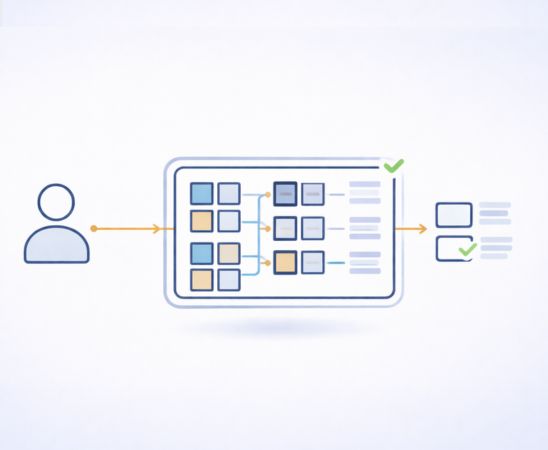
Users see exactly what they have access to.
- View applications, roles, and entitlements in one place
- Access presented in business-friendly language
- Clear linkage between roles and permissions
- Reduced ambiguity around access scope
Quick Actions & Guided Requests
Visibility leads to corrective action.
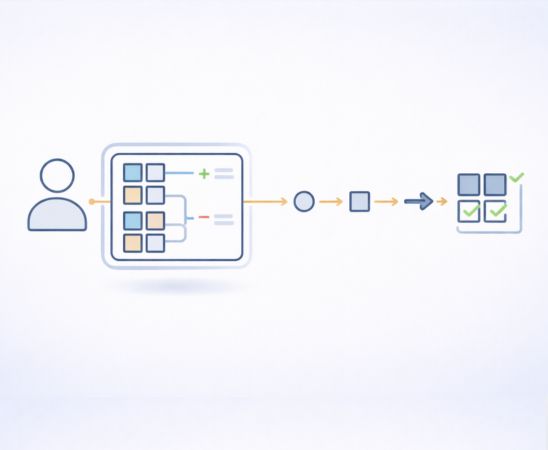
- Request additional access directly from the view
- Initiate access removal or role changes
- Reduce back-and-forth with IT teams
- Accelerate access corrections
AI-Assisted Access Insights
Understanding improves decision quality.
- Highlight unused or rarely used access
- Suggest access cleanup opportunities
- Support informed participation in certifications
- Reduce unnecessary access retention
Inclusive & Global Access Experience
Transparency works for every user.
- Multilingual interface for global teams
- Consistent experience across regions
- Clear terminology aligned with business roles
- Improved adoption and engagement
How My Access Supports Governance
User visibility reinforces control.
Access Visibility
- Presents applications, roles, and entitlements in one view
- Uses business-friendly terminology instead of technical labels
- Shows how access is derived from roles or requests
User Understanding
- Explains why access was granted and its scope
- Highlights sensitive or privileged access
- Reduces confusion during reviews and removals
Informed Action
- Initiates access requests or removals directly
- Flags access that may no longer be needed
- Reduces dependency on IT for basic corrections
Cleaner Access State
- Removes unused or unnecessary entitlements
- Prevents access accumulation and drift
- Strengthens least-privilege enforcement
Audit-Ready Evidence
- Records user actions and decisions
- Maintains traceability for access changes
- Supports audits with clear access rationale
Business impact of Anugal
Fewer access-related support tickets
Higher-quality certification responses
Faster access cleanup driven by users
Improved trust in governance outcomes
Stronger audit posture through transparency